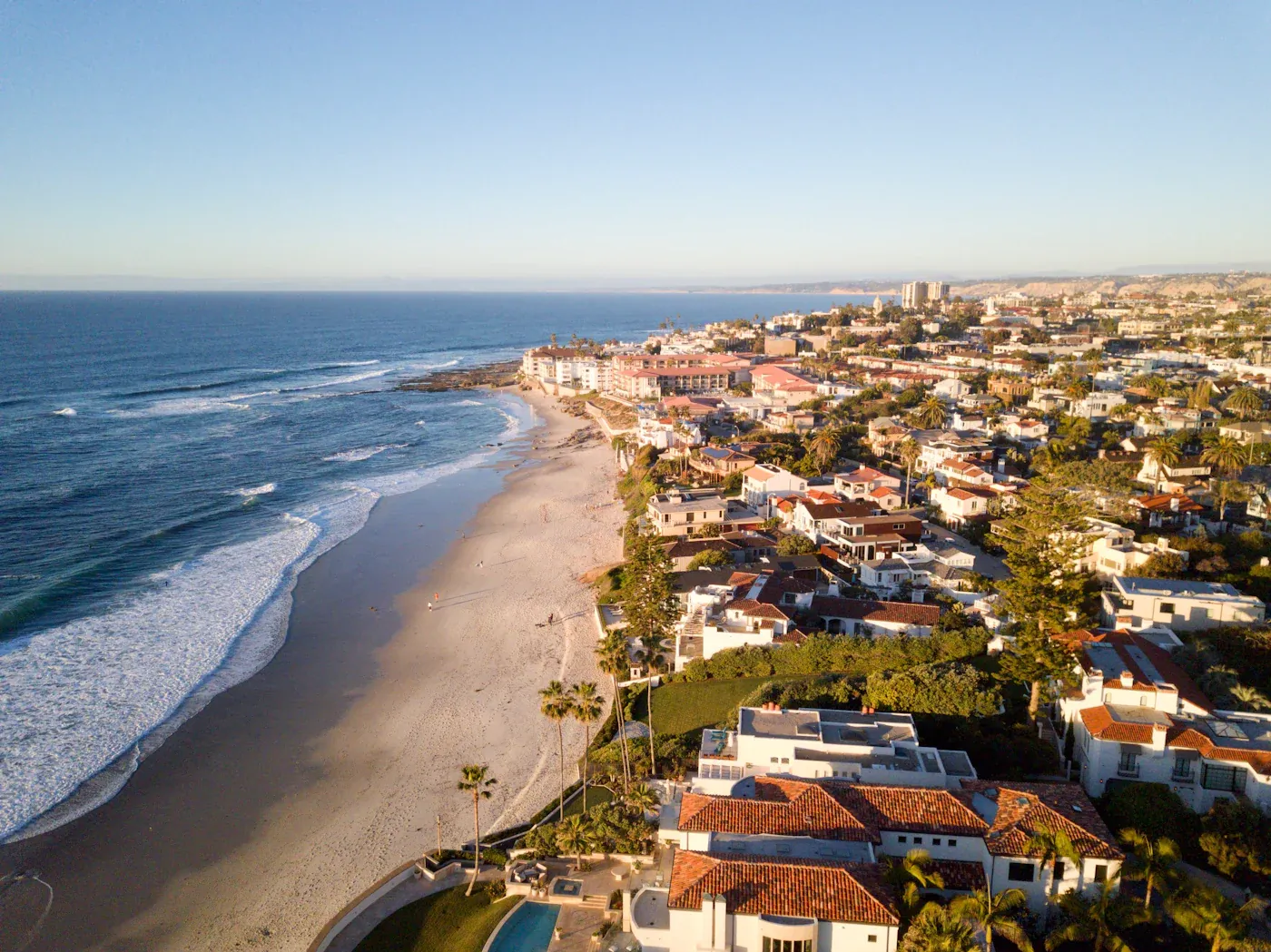
Coastal San Diego
ADU and remodeling contractor for La Jolla’s hillside and coastal-overlay lots.
La Jolla is part of the City of San Diego, so permits run through City Development Services rather than a city hall of its own. Much of the village and the blocks above the shoreline fall inside the coastal overlay, which can add a coastal development permit and review time to a project that would be routine a few miles inland.
Who builds ADUs and remodels homes in La Jolla?
San Diego Coastal Builder serves La Jolla, building ADUs and handling kitchen, flooring, and whole-home remodels as well as water damage rebuilds. Building permits for La Jolla are issued by City of San Diego Development Services Department, and properties near the shoreline may also require coastal review. Owner Dane Ziperski is a licensed CSLB General B contractor and manages every project personally.
The housing stock
What La Jolla lots are actually like.
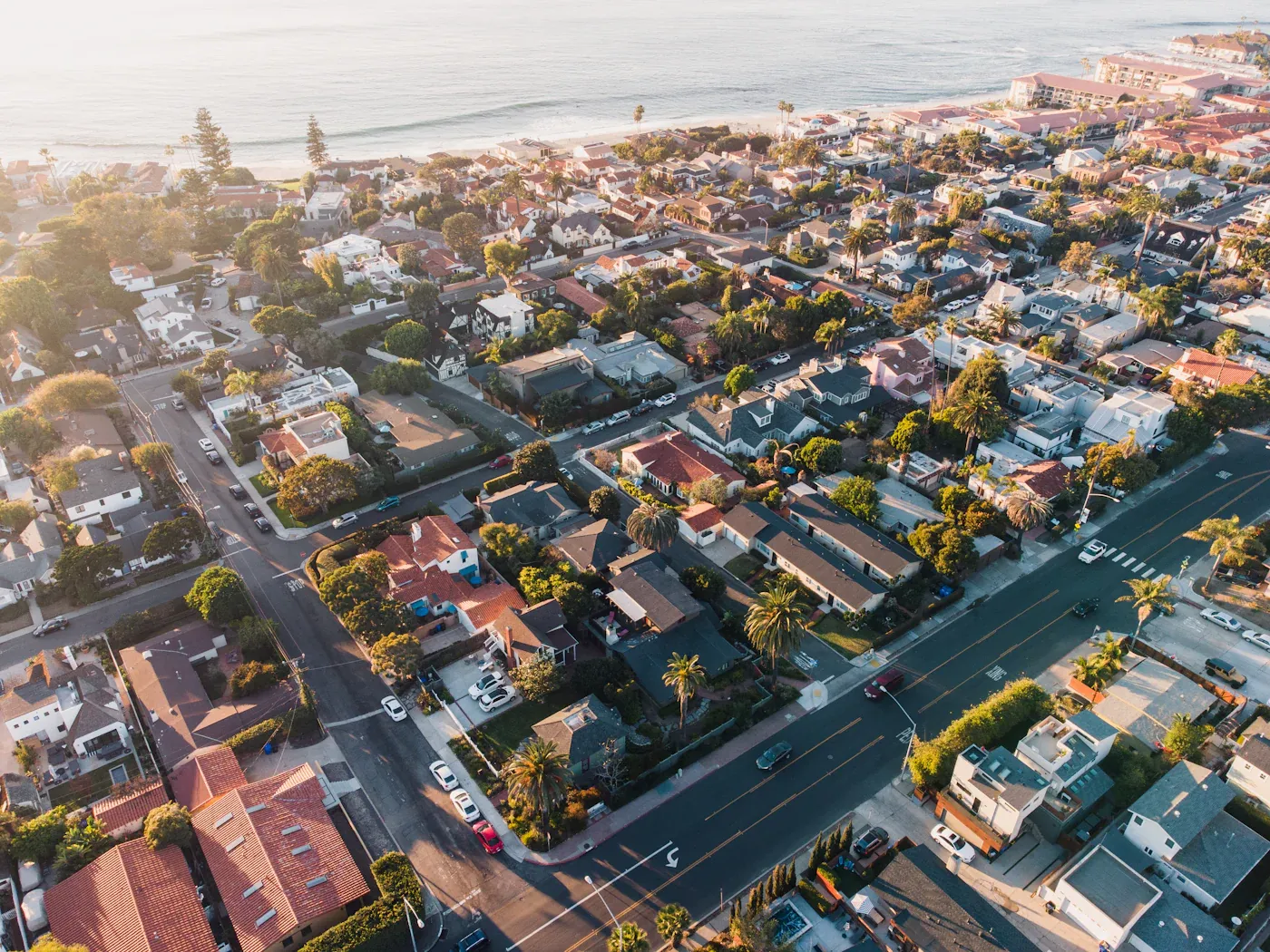
The building stock runs from 1920s and 1930s cottages near the village to mid-century homes on the hillsides and canyon rims. Lots are frequently narrow, sloped, or both, which is what makes site work, not finishes, the line item that moves an ADU budget in La Jolla.
What comes up here
- Detached ADUs on canyon and hillside lots
- Kitchen remodels in older homes with dated layouts
- Whole-home remodels on properties changing hands
- Water damage rebuilds in older plumbing
Permitting
Who issues a permit in La Jolla.
Permit authority
City of San Diego Development Services Department
La Jolla includes property inside the coastal zone. Parcels in a coastal overlay typically need coastal review in addition to the building permit, which affects the timeline more than the budget.
What applies to your project depends on the parcel. We confirm it for your specific address before any drawings get made.
What we build here
The work La Jolla actually generates.
Not a service list. These are the projects the housing stock on these streets produces, which is a different set in every part of the county.
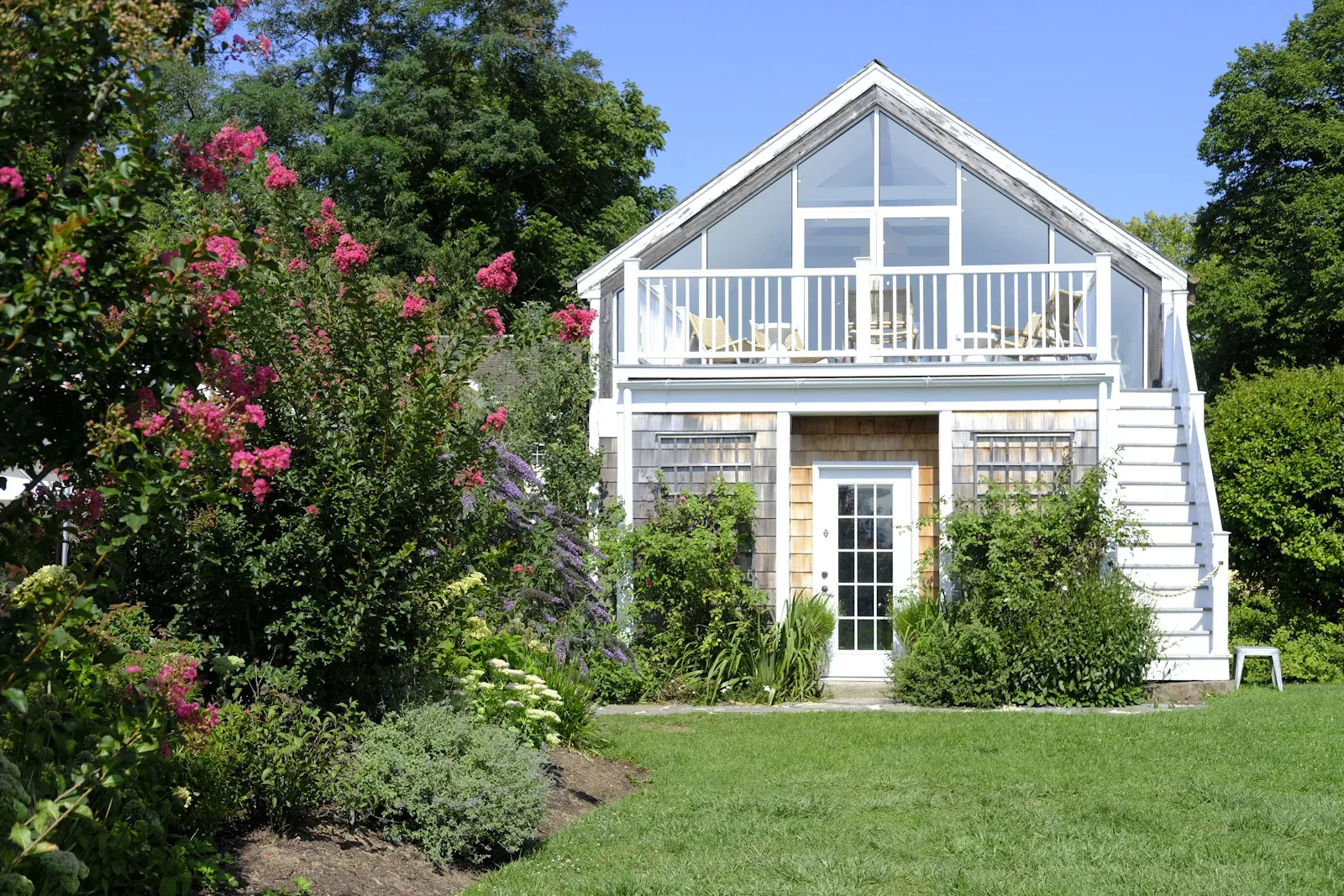
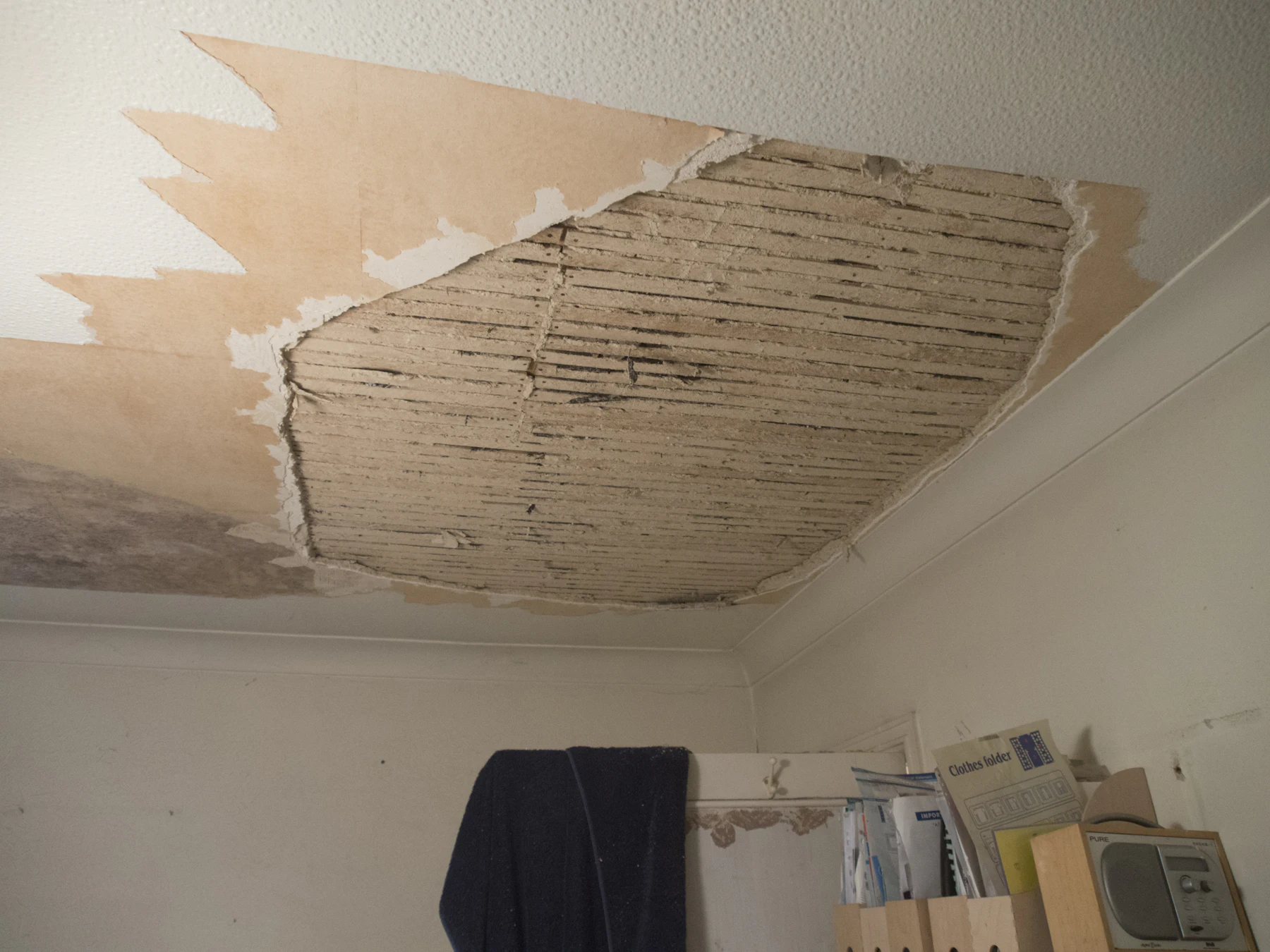
Detached ADUs on canyon and hillside lots
This is work that comes up in La Jolla specifically, because of what is already standing there. The building stock runs from 1920s and 1930s cottages near the village to mid-century homes on the hillsides and canyon rims. Lots are frequently narrow, sloped, or both, which is what makes site work, not finishes, the line item that moves an ADU budget in La Jolla.
- Permits
- City of San Diego Development Services Department
- Coastal review
- May apply to your parcel
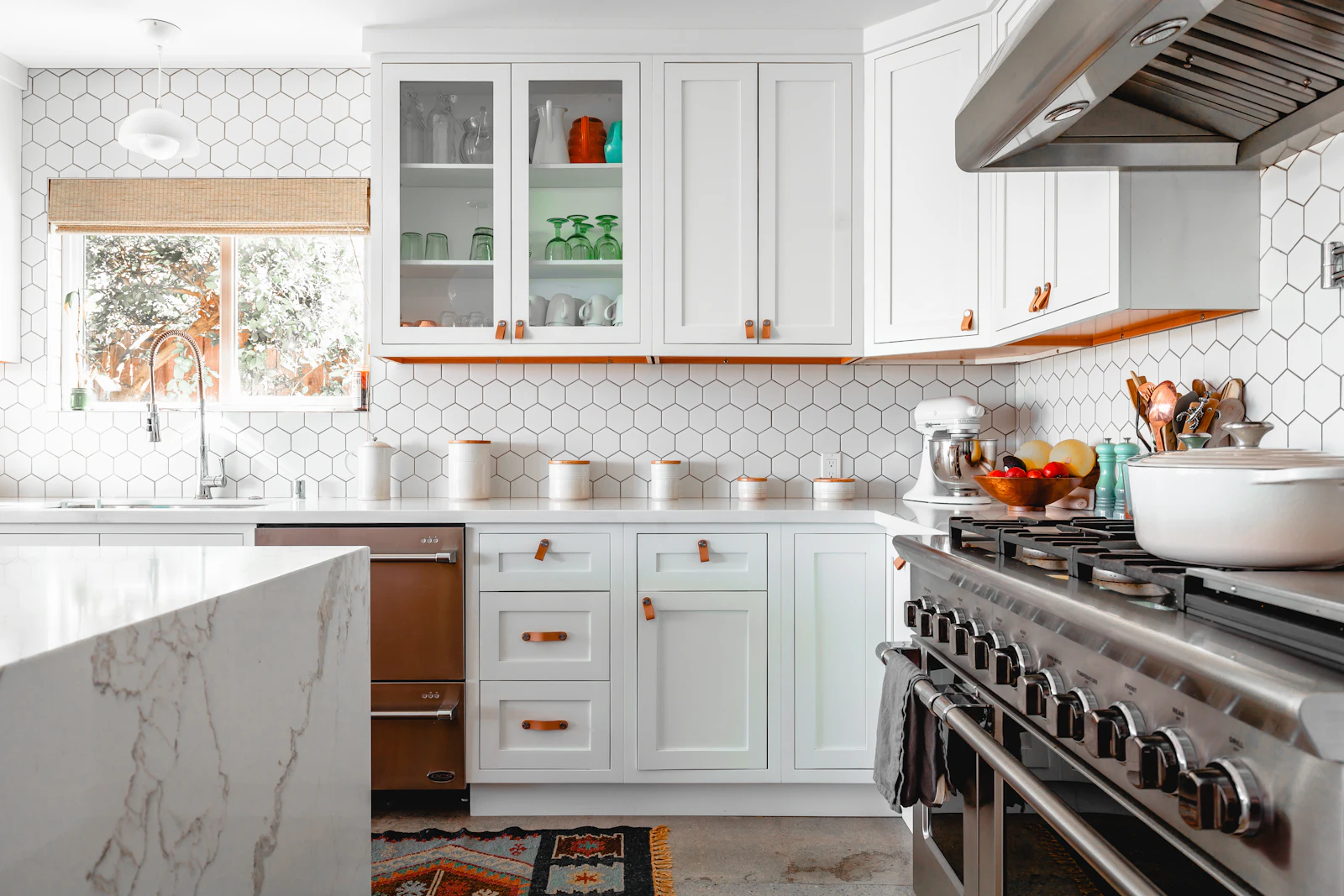
Kitchen remodels in older homes with dated layouts
This is work that comes up in La Jolla specifically, because of what is already standing there. The building stock runs from 1920s and 1930s cottages near the village to mid-century homes on the hillsides and canyon rims. Lots are frequently narrow, sloped, or both, which is what makes site work, not finishes, the line item that moves an ADU budget in La Jolla.
- Permits
- City of San Diego Development Services Department
- Coastal review
- May apply to your parcel
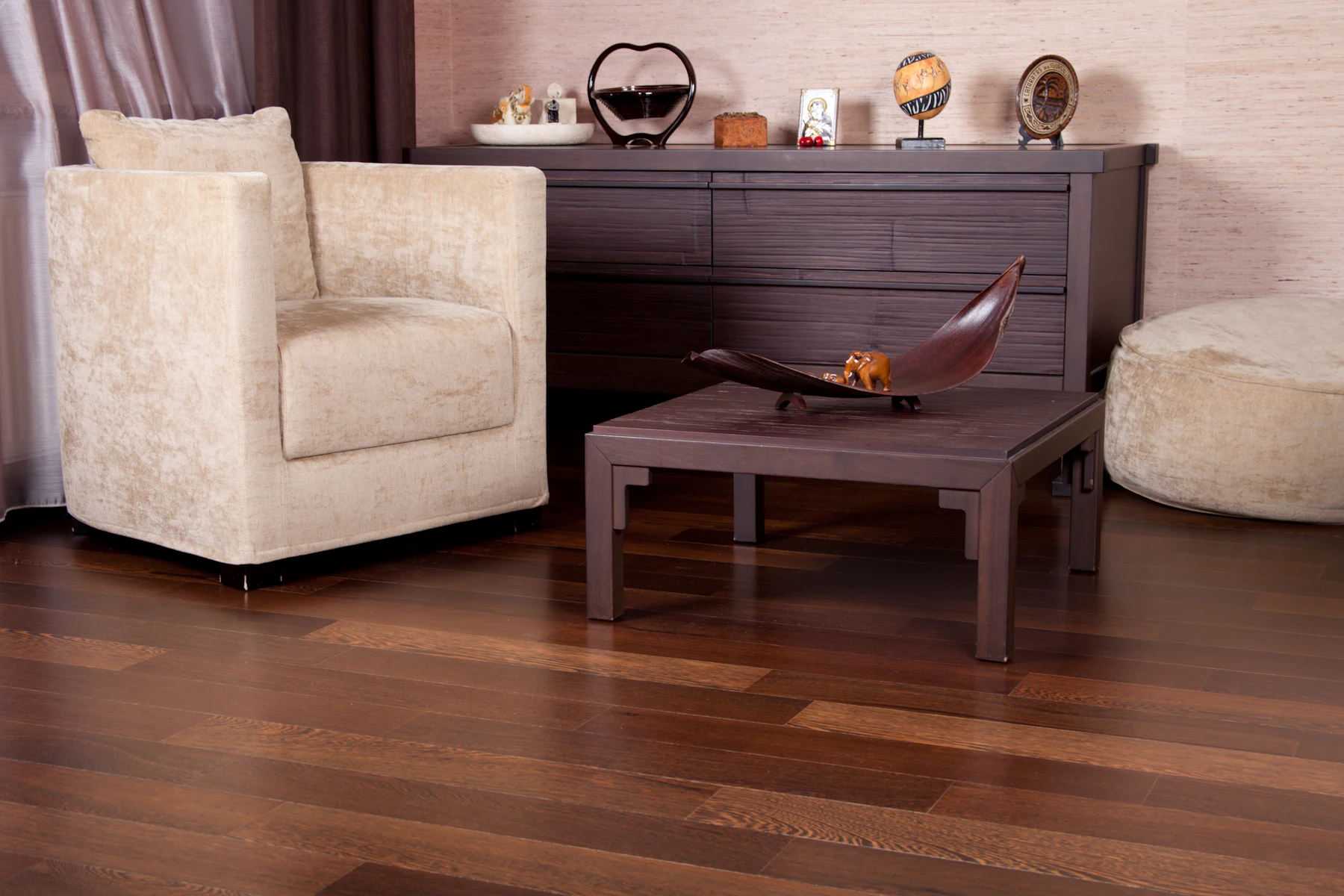
Whole-home remodels on properties changing hands
This is work that comes up in La Jolla specifically, because of what is already standing there. The building stock runs from 1920s and 1930s cottages near the village to mid-century homes on the hillsides and canyon rims. Lots are frequently narrow, sloped, or both, which is what makes site work, not finishes, the line item that moves an ADU budget in La Jolla.
- Permits
- City of San Diego Development Services Department
- Coastal review
- May apply to your parcel
Water damage rebuilds in older plumbing
This is work that comes up in La Jolla specifically, because of what is already standing there. The building stock runs from 1920s and 1930s cottages near the village to mid-century homes on the hillsides and canyon rims. Lots are frequently narrow, sloped, or both, which is what makes site work, not finishes, the line item that moves an ADU budget in La Jolla.
- Permits
- City of San Diego Development Services Department
- Coastal review
- May apply to your parcel
Questions
La Jolla questions.
Do I need a coastal development permit to build an ADU in La Jolla?
It depends on where the parcel sits. A large share of La Jolla is inside the City of San Diego coastal overlay zone, and properties in it typically need a coastal development permit in addition to the building permit. The first thing we do on a La Jolla project is confirm the overlay status for your specific address, because it changes the timeline before it changes anything else.
How much does an ADU cost in San Diego?
Most detached ADU builds in San Diego County currently run between $100,000 and $400,000, with $300,000 being a common average for a turnkey standalone unit. Many homeowners assume high-end countertops or tile drive the budget up; in reality site conditions move the final number far more than finish selections do. The major variables are almost always below the surface: utility extensions (trenching and connecting separate water, sewer, and electrical lines), site work and grading on sloped coastal lots or tough soil, and the structural foundation engineering a detached unit requires. Ranges reflect verified San Diego building metrics as of September 2026.
What types of ADU can I build?
There are four common paths: a detached ADU built new in the rear yard, an attached ADU that shares a wall with the house, a garage conversion that reuses the existing structure, and a junior ADU created inside the existing footprint of the home. Which one fits is decided by the lot, the setbacks, and what is already standing on it.
Do I need a permit to build an ADU in San Diego?
Yes. An ADU requires a building permit, and depending on the parcel it can also require additional review. Properties inside a coastal overlay zone typically need a coastal development permit on top of the building permit. Which agency issues it depends on the city: City of San Diego neighborhoods go through Development Services, while Del Mar, Encinitas, and Carlsbad run their own departments.
How long does it take to build an ADU in San Diego?
Building an accessory dwelling unit (ADU) in San Diego typically takes 6 to 18 months from initial concept to completion. While partnering with San Diego Coastal Builder streamlines the process, your actual timeline depends on your ADU type and the city’s current permitting backlog.
Here is what the typical timeline looks like when working with a GC:
- Phase 1: Design & Engineering (2–4 months): Finalizing your layout, drafting structural engineering plans, and selecting interior finishes.
- Phase 2: Permitting & Approvals (2–8 months): Navigating city plan checks. While California aims for a 60-day review timeline, local backlogs and structural revision rounds often extend this phase.
- Phase 3: Construction (2–6 months): Groundbreaking, utility tie-ins, framing, interior finishes, and final inspections.
What size lot do I need and how large can they be?
There is no minimum lot size requirement to build an ADU in San Diego.
Thanks to California state laws, you can legally build an ADU regardless of how small your lot is, as long as it is located on a residential property with an existing or proposed home.
While you do not need a massive yard, the usable space on your lot determines the maximum size of your ADU:
1. The 800-Square-Foot State Guarantee
California law features an “override rule” protecting small properties. Local cities cannot enforce strict zoning restrictions, such as lot coverage limits or floor area ratios, if those limits prevent you from building a detached ADU of at least 800 square feet. If it physically fits within the setback boundaries, you are legally allowed to build it.
2. Setback Requirements (The True Limitation)
Instead of lot size, your buildable area is dictated by how close the ADU can get to your property lines:
- Standard Rule: New detached ADUs generally require a 4-foot setback from the side and rear property lines.
- San Diego Bonus: In the City of San Diego, you can often build a single-story ADU right up to the property line (0-foot setbacks), provided it remains under 16 feet in height and sits outside strict fire hazard zones.
- Conversions: Converting an existing structure (like a detached garage) bypasses new setback rules entirely. Your ADU can occupy the exact footprint the garage always has.
Maximum ADU Sizes
If you have a larger lot and want to build past the 800-square-foot baseline, your limitations shift depending on the ADU style:
- Detached ADU: You can build up to 1,200 square feet in San Diego, assuming you have the yard space.
- Attached ADU: Limited to 1,200 square feet or 50% of the main home’s size (whichever is less).
- Junior ADU (JADU): Limited to 500 square feet and must be built entirely within the existing footprint of the main home.
Are you licensed?
Yes. San Diego Coastal Builder holds a CSLB General B general building contractor license, issued to owner Dane Ziperski. The license number is listed in the footer of this site and can be verified directly on the CSLB website.
How do I get an estimate?
Send a message through the contact page or an email. Dane replies personally, usually within a couple of hours the same day. If the project is a fit, he comes out for a free site visit, takes measurements and photographs, and tells you what is realistic, including when the project you have in mind is not the right one. You then get a written scope, line by line, so you can compare it honestly against any other bid.
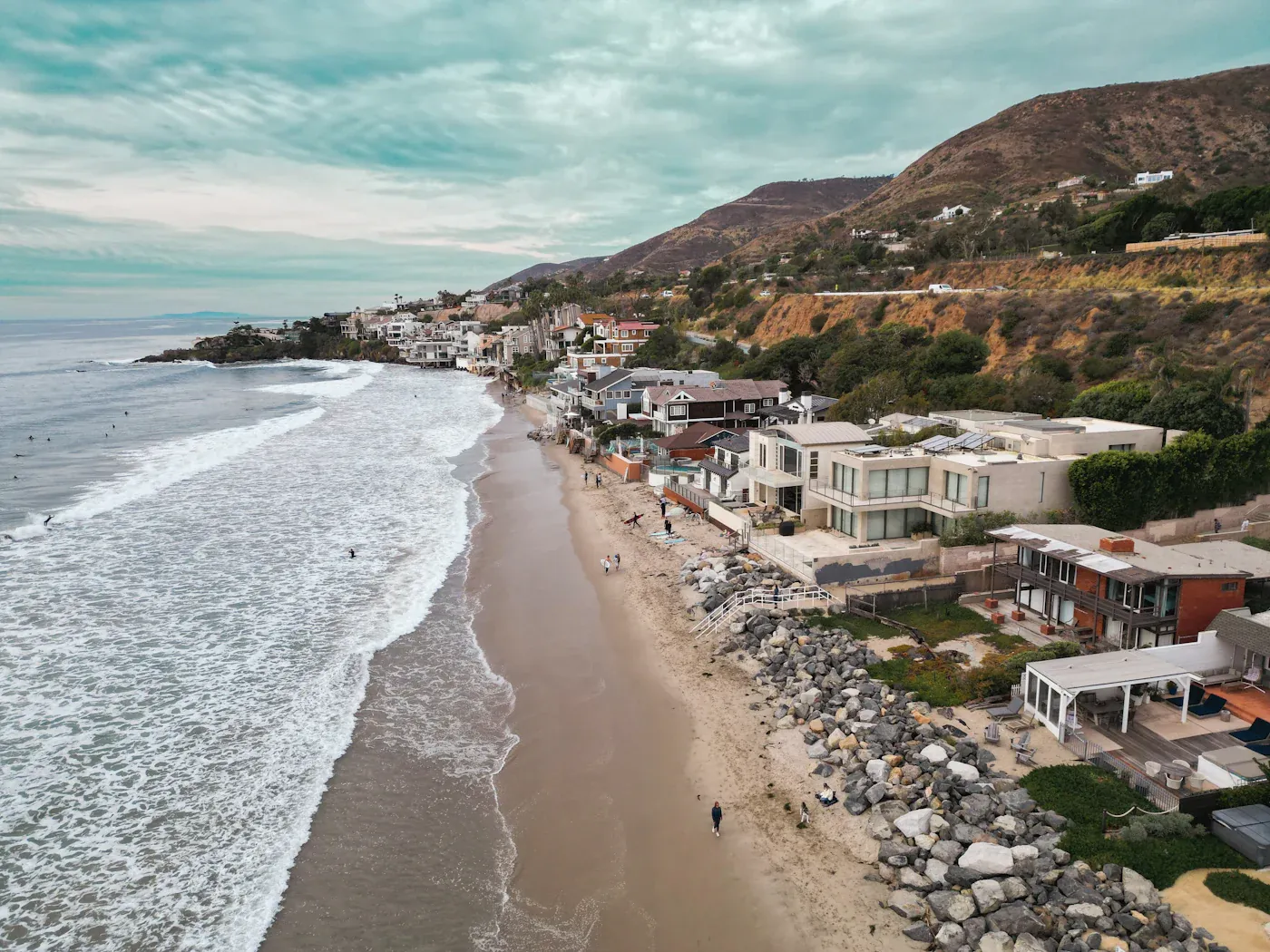
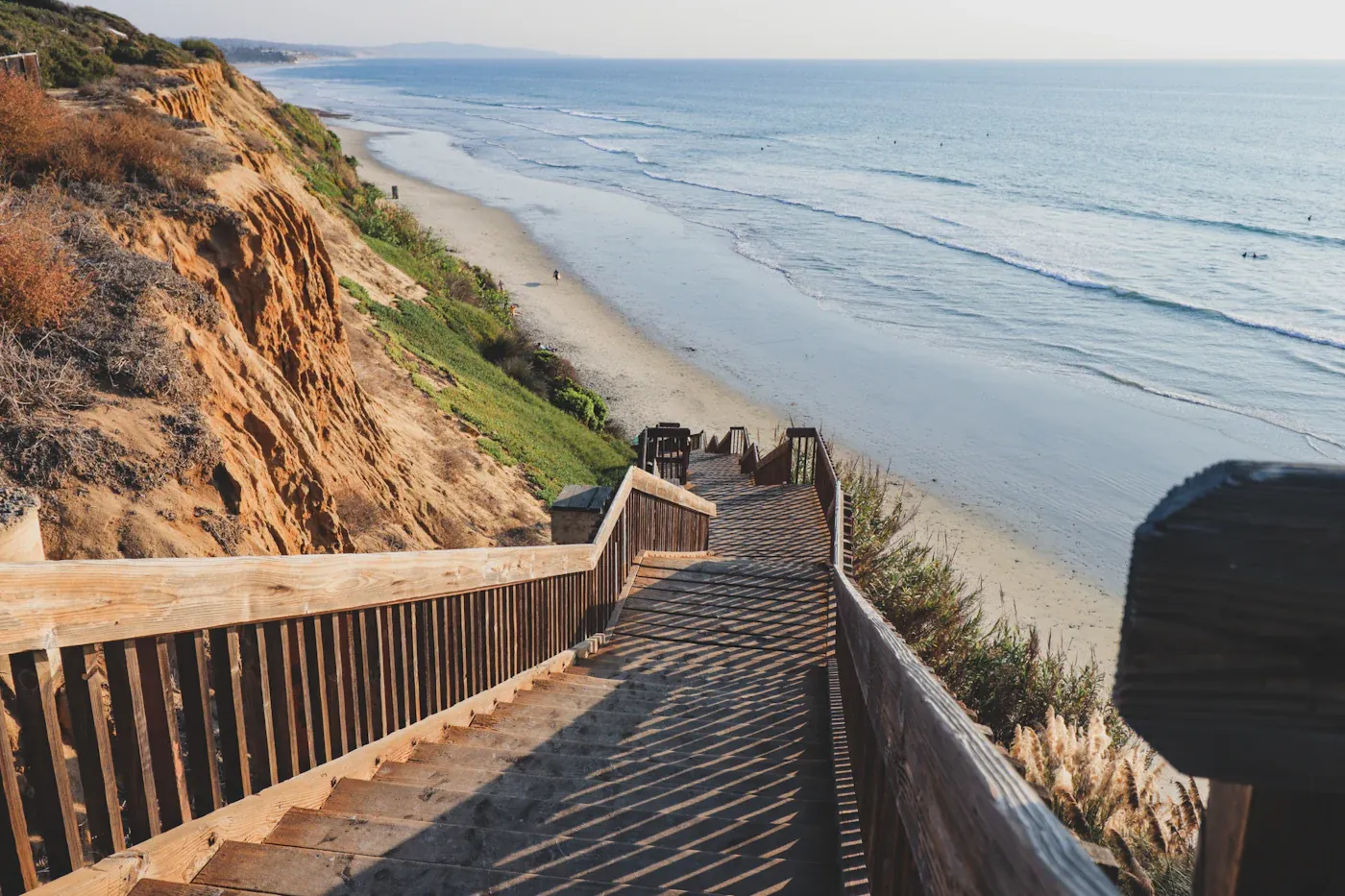

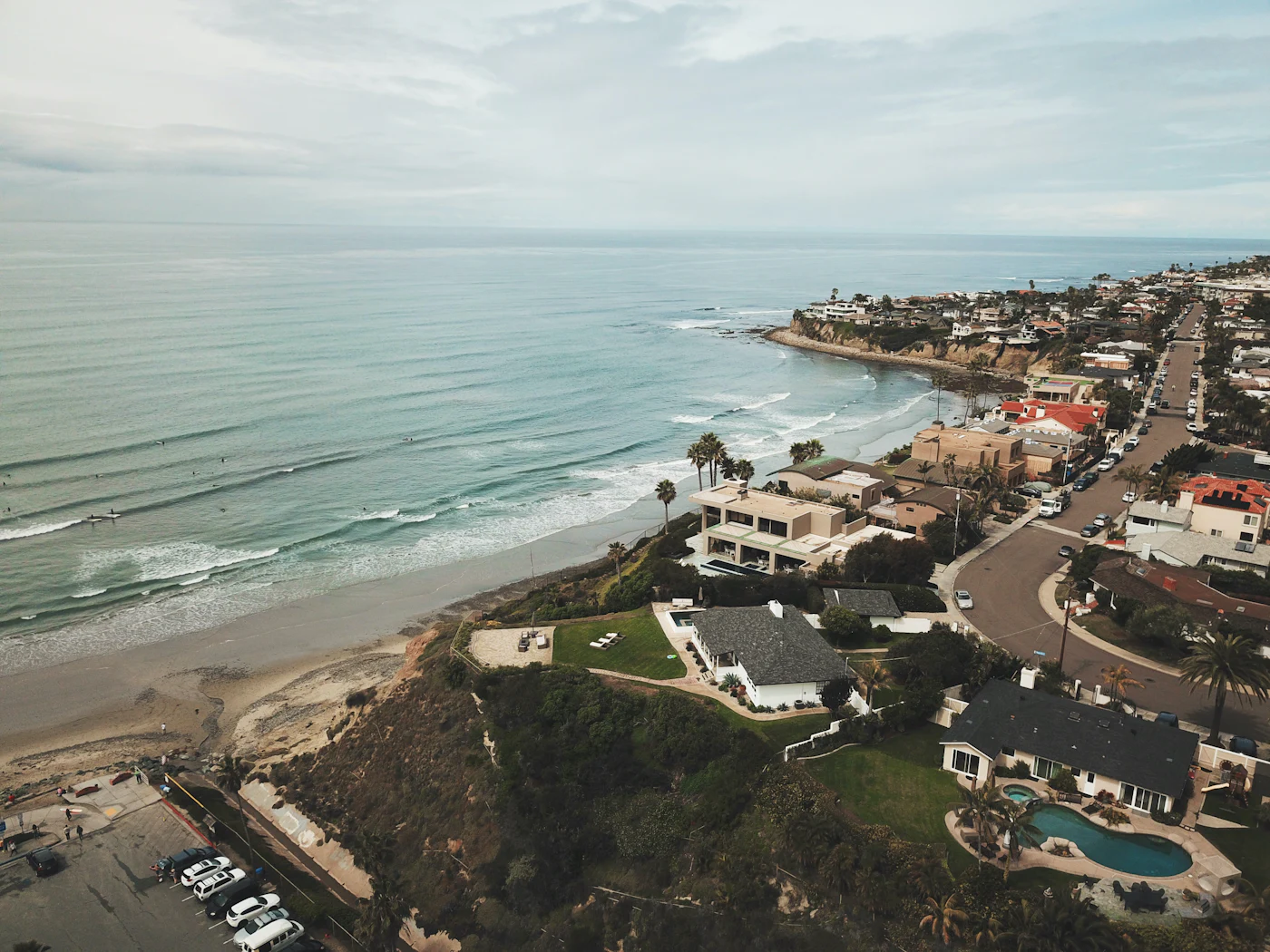

Building in La Jolla
What applies to your project depends on the parcel, not the city. We confirm it for your address before any drawings get made.
That is the cheapest hour anybody spends on a project.
Send your addressHave a project in La Jolla?
Send the address and a sentence about what you are considering. You will get a straight answer from Dane, usually the same day.